Hardcover books carry a timeless charm. They feel solid, warm, and personal, offering readers the simple joy of holding a well-built book. Beyond aesthetics, a strong cover protects the story and sets the mood before the first page is even opened.
Today, the case laminate hardcover is popular, but several other styles are worth exploring. Each style carries its own personality and purpose, influencing both reader experience and production cost.
Why Hardcover Styles Matter More Than You Think
A hardcover gives the book a first impression. It shares a hint of tone and purpose. Readers notice the surface, texture, and weight.
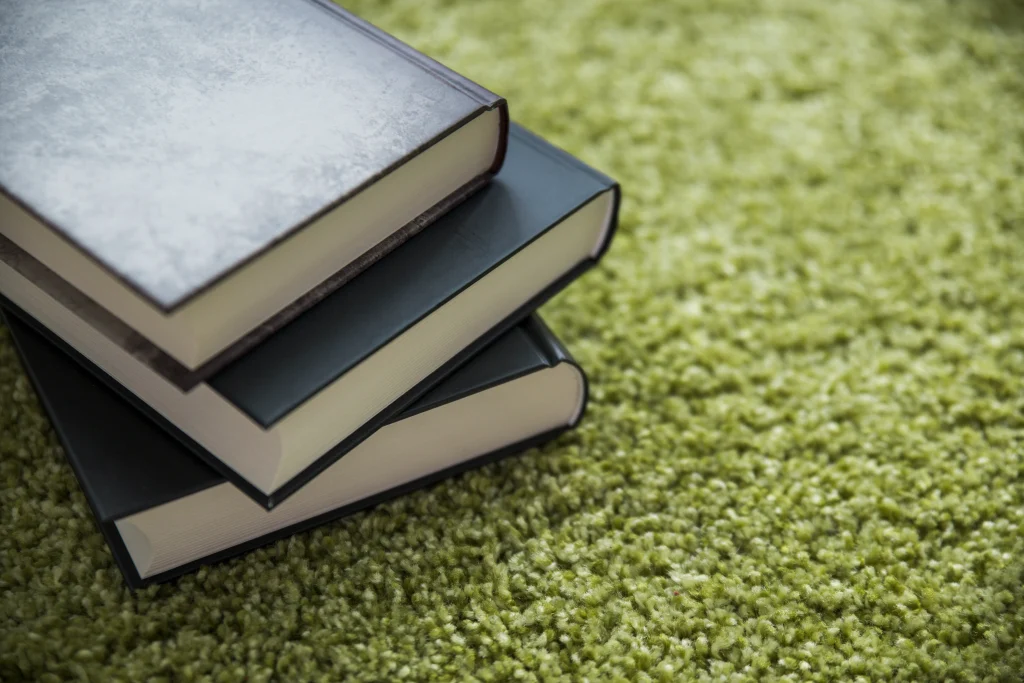
These small details shape trust and interest. A strong cover invites new readers and keeps the book safe for years. This makes design choices more important than most people realize.
What Makes a Hardcover a Hardcover?
Hardcovers are defined by their firm build, using thick boards and strong binding that maintain shape through long use. The cover finish adds both protection and style.
Key components include:
- Book boards
- Spine support
- Endpapers
- Cover finish
These layers create a durable, rich-feeling book that can endure years of reading and handling.
The Personality of Hardcover Formats
Hardcovers carry personality:
- Soft cloth feel
- Bold printed wraps
- Clean lines
- Textured finishes
Your hardcover style should reflect the tone of your story—from gentle and classic to bold and modern.
Main Styles of Hardcover Books Today
Traditional Cloth-Bound with Dust Jacket
- Best for: Classic stories, gift editions, libraries
- Look: Soft, textured, and elegant
- Durability: High
- The cloth cover adds warmth, while the dust jacket adds artwork and color.
Jacket-Free Hardcovers
- Best for: Modern readers and minimalistic designs
- Look: Clean, simple, and sleek
- Durability: Very high
- Removes loose jackets and prints artwork directly on the boards for a modern, tidy appearance.
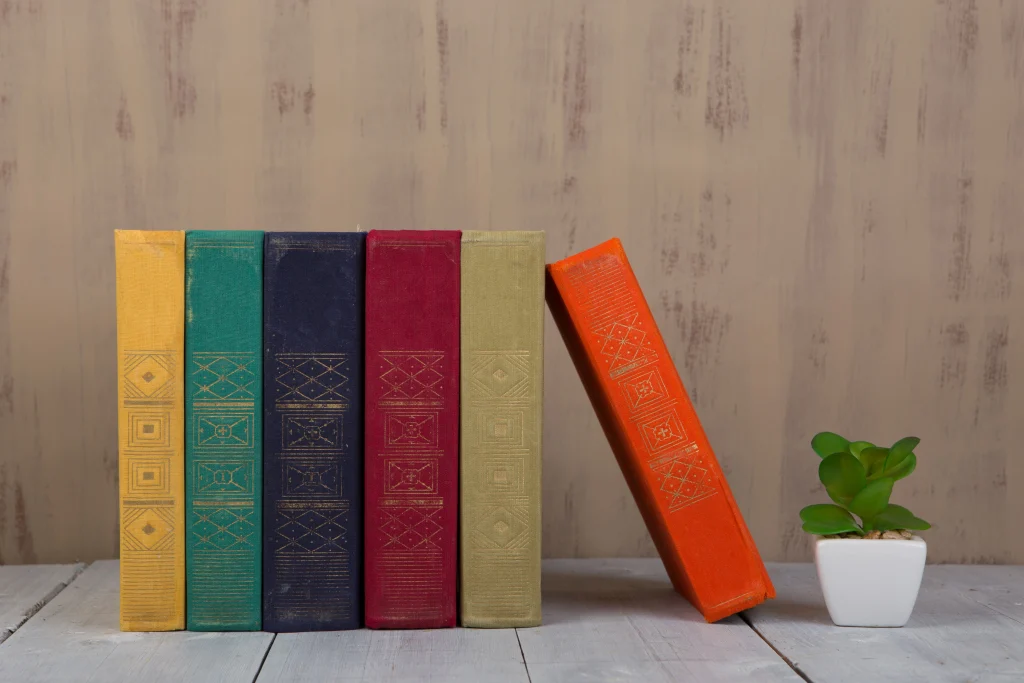
Case Laminate Hardcovers
- Best for: Bold, colorful designs, children’s books, photo books
- Look: Bright, vivid, and durable
- Durability: High
- Printed wrap sealed to boards allows designers full control of images and color.
Collector’s Specialty Editions
- Best for: Gift buyers and collectors
- Look: Unique, textured, or foiled finishes
- Durability: Very high
- These editions may include custom boxes, foil stamping, or special paper, adding both value and production cost.
A Quick Comparison of Styles
| Style | Best for | Look | Durability |
| Cloth + Jacket | Classic stories | Soft and elegant | High |
| Jacket-Free | Modern readers | Clean and simple | Very High |
| Case Laminate | Bold art | Bright and vivid | High |
| Collector Editions | Gift buyers | Unique and rich | Very High |
How These Styles Affect Cost, Feel, and Lifespan
A hardcover’s style changes its cost and feel. Some covers need more materials. Some need more print steps. Some last longer than others. These choices matter for both authors and readers.
Production Cost Breakdown
Several parts shape the final cost.
- Cover material
- Print method
- Binding steps
- Extra finishes
Greater detail often means a higher price.
Reader Experience and Long-term Use
Readers notice how a book feels in their hands. A smooth cover feels calm. A textured cover feels warm. A strong build lasts longer. Books that hold their shape become favorites on the shelf.
Author and Publisher Considerations
Writers choose styles based on goals. A bold cover can attract younger readers. A cloth cover can match a classic theme.
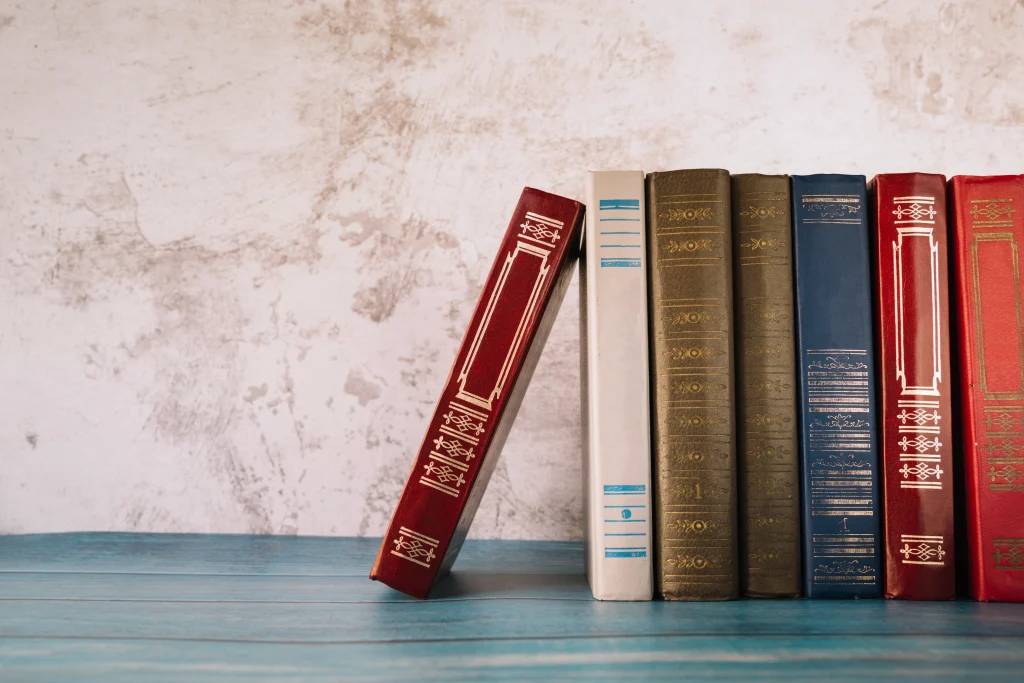
A bright case laminate hardcover can help a book stand out in stores. Each choice guides the book’s role in the market.
A Closer Look at Modern Trends in Hardcover Design
Modern design shifts with reader taste. Today, many readers want clean lines and natural tones. Others want full color covers that grab attention fast. Hardcover styles grow with these trends.
Learn more about: What to Include on Your Back Cover and How to Write it
Minimalist Interiors and Neutral Covers
Simple covers use clean type and soft colors. They suit calm stories and reflective nonfiction. Many design teams choose this path for a quiet and steady look.
Bold Graphic Covers with Full-color Wraps
Full color covers still hold strong appeal. They work well with the case laminate hardcover style. This method gives the artist full control over every inch of the surface. It also offers strong protection against scratches.
Rising Popularity of Simplified Jackets
More readers now prefer hardcover books without a dust jacket because they feel neat and easy to store. Dust jackets can slip and tear. Printing art on the cover keeps the book clean and ready for use.
How to Choose the Right Hardcover Style for Your Book
Choosing the right style depends on your goals and the message of your book. A design should match the story’s tone and appeal to the reader.
Think About the Reader’s First Touch
A reader picks up the book and feels the surface. If the book feels solid and warm, it builds trust. First touch matters.
Match the Style to the Story’s Mood
A bright story may fit a bold print cover. A gentle story may fit with cloth or soft tones. Hardcover books without a dust jacket may fit clean themes. This match helps the book speak before it opens.
Budget and Print Volume Planning
Hardcovers cost more to print. Large orders reduce the cost per book. Small runs need careful planning. Extra finishes add cost. It helps to plan early.
Expert Insight
Think of hardcover styles as outfits for a book. Some books look right in simple shirts. Some need bright patterns. Some shine in classic looks. The key is choosing a style that helps the story feel true.
Final Thoughts
Hardcover styles shape how readers experience your book before reading a single word. They protect the story, support its mood, and can influence long-term value. With many styles available, authors now have the freedom to match each book to its ideal design.
A carefully chosen hardcover style ensures your book feels as strong, intentional, and memorable as the story inside.
If you want guidance in selecting the right style or designing a professional hardcover layout, Sinclair Publishers can help. We provide clear advice, steady support, and high-quality design for every project.
Frequently Asked Questions
What are the main styles of hardcover books?
The main styles include cloth-bound with dust jacket, jacket-free hardcovers, case laminate, and collector’s editions. Each style has a unique look, feel, and durability.
Why do hardcover styles matter?
They affect first impressions, reader experience, and the book’s lifespan. A well-chosen style can make your book feel premium and trustworthy.
Are jacket-free hardcovers a good choice?
Yes. They offer a clean, modern look and are more durable since there’s no loose dust jacket to tear or slip.
What is a case laminate hardcover?
It’s a hardcover with a printed wrap sealed to the boards. It allows bright, bold designs and protects the book against wear.
Why do collector editions cost more?
Collector editions use special materials, foiling, textured paper, or custom boxes, which increase production cost but add value and appeal.
How do I choose the right hardcover style for my book?
Consider your story’s tone, your target readers, and your budget. The style should match the mood of the story and appeal to your audience.
Do hardcover styles affect book cost?
Yes. Materials, extra finishes, and production steps can increase printing costs, so plan your budget accordingly.