Understanding the Truth Behind Biographies
If you’ve ever asked yourself, “Are biographies primary sources?” or “Is a biography a primary source?”, you’re not alone.
This is one of the most common questions among students, writers, and even aspiring authors.
The confusion comes from the fact that biographies are based on real-life events—but that doesn’t automatically make them primary sources.
If you’re planning to write or publish a biography, understanding this distinction is just as important as learning what is the process of publishing a book so you can approach your work professionally.
Are Biographies Primary Sources or Secondary Sources?
Let’s make it simple.
Short Answer:
- ❌ Biographies are not primary sources
- ✅ They are secondary sources
Why?
A biography is written after events have happened. It collects, analyzes, and presents information from different materials.
That makes it an interpretation, not original evidence.
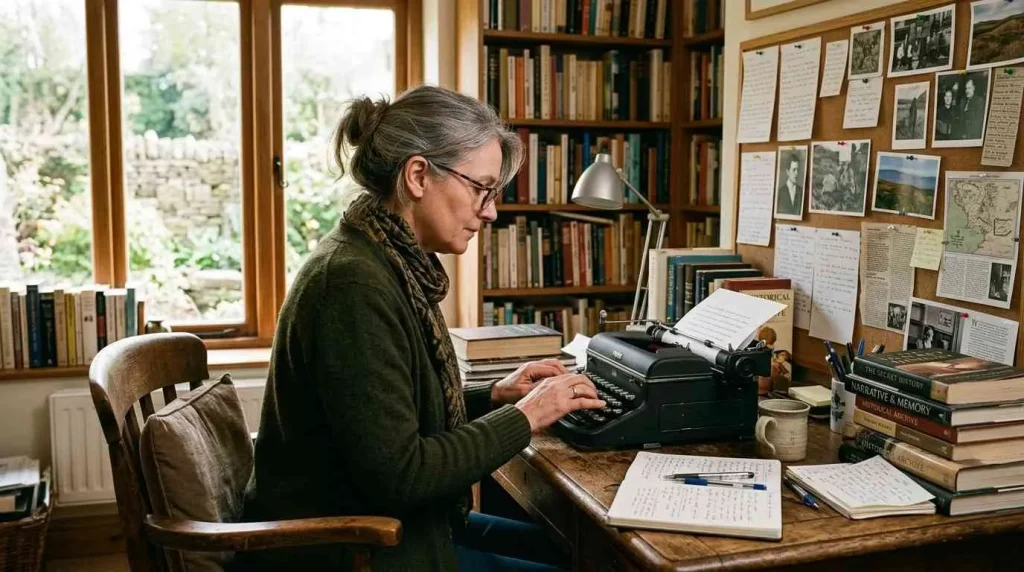
What Is a Primary Source in Biography Writing?
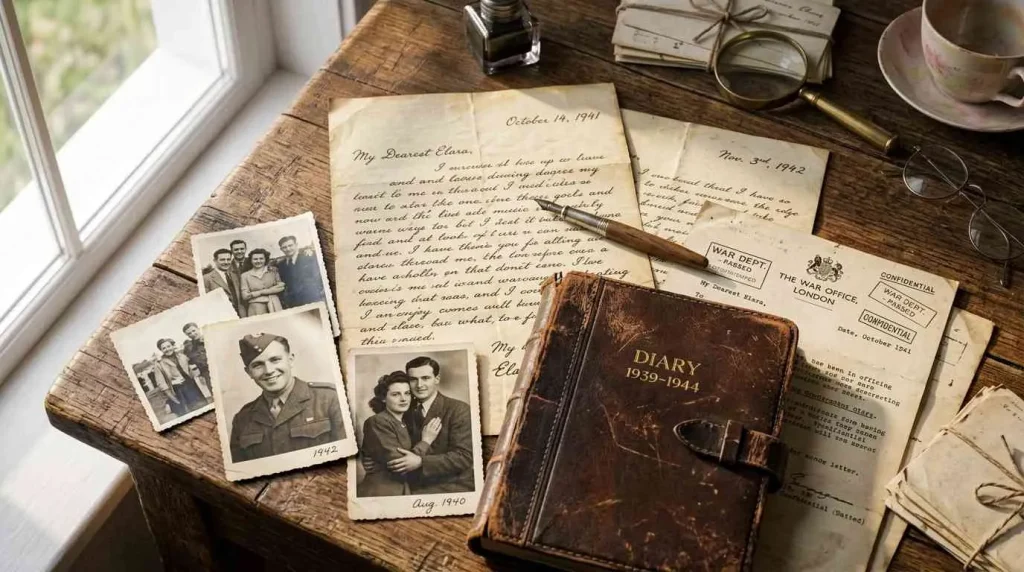
A primary source is original material created during a person’s life or directly by them.
Common Examples:
- Letters
- Diaries
- Interviews
- Photographs
- Official documents
These sources act as the foundation of any reliable biography, much like how structural elements defined in parts of a book form the backbone of a complete manuscript.
What Kind of Primary Sources Do Biography Writers Use?
Professional biographers rely on multiple sources to ensure accuracy and depth.
1. Personal Letters
Letters reveal personal thoughts, relationships, and emotions in real time.
They provide a level of authenticity that cannot be recreated.
2. Diaries and Journals
Diaries are powerful because they capture raw, unfiltered thoughts.
They help writers understand the subject’s internal struggles and motivations.
3. Interviews and First-Hand Accounts
Biographers often speak with:
- Family members
- Friends
- Colleagues
These insights add multiple perspectives, making the story richer and more balanced.
4. Official Records
Documents like:
- Birth certificates
- Academic records
- Legal files
These ensure factual accuracy and prevent misinformation.
5. Photographs and Media
Images provide visual context and help shape the narrative.
They also play a role in how the book is presented, especially when paired with strong design elements like those discussed in What to Include on Your Back Cover and how to Write It.
6. Audio and Video Recordings
These sources capture real voices and expressions, offering deeper insight into personality and behavior.
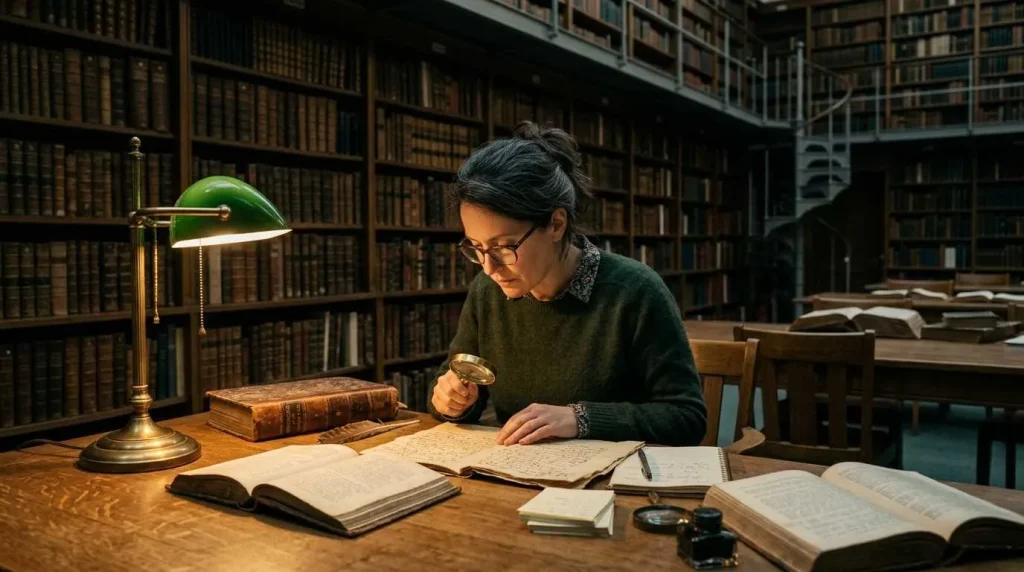
Why Primary Sources Matter in Biography Writing
Without primary sources, a biography risks becoming inaccurate or biased.
Key Benefits:
- Improves credibility
- Ensures accuracy
- Adds emotional depth
- Strengthens storytelling
A well-researched biography is much like a professionally structured book guided by the complete guide to the perfect book layout—everything needs to be organized and intentional.
Can a Biography Contain Primary Sources?
Yes, but indirectly.
A biography itself is a secondary source, but it often includes:
- Quoted letters
- Interview excerpts
- Diary entries
These embedded elements bring authenticity to the narrative.
How Writers Turn Sources into a Biography
Creating a biography involves more than collecting data—it’s about storytelling.
Basic Process:
- Gather primary sources
- Cross-check facts
- Organize events chronologically
- Build a compelling narrative
- Edit and refine
This process is similar to working with professionals discussed in How Much Does a Ghostwriter Cost? A Detailed Guide, where expertise shapes raw ideas into polished content.
Common Mistakes to Avoid
❌ Relying only on secondary sources
❌ Skipping fact verification
❌ Misinterpreting documents
❌ Adding unnecessary drama
Even the best ideas can fail without proper refinement, which is why tools and services like those covered in The Top 9 Book Editing & Proofreading Services in 2026 are essential.
Why This Matters for Aspiring Authors
Understanding source impacts:
- Your credibility
- Reader trust
- Publishing success
It also connects to bigger decisions, such as determining What’s the Ideal Page Count for a First-time Writer? and evaluating long-term potential like What’s the Average Income for Authors from Book Sales?.
FAQs:
1. Are biographies primary sources?
No, biographies are considered secondary sources because they interpret information based on primary materials like letters, interviews, and records.
2. Is a biography a primary source or a secondary source?
A biography is a secondary source since it is written after events occur and relies on collected data.
3. What are examples of primary sources used in biographies?
Primary sources include diaries, letters, interviews, photographs, and official documents.
4. Why are primary sources important in biography writing?
They ensure accuracy and credibility and provide authentic insights into a person’s life.
5. Can a biography include primary sources?
Yes, biographies often include quotes or references from primary sources, but the book itself remains a secondary source.
Conclusion: The Final Answer
So, are biographies primary sources?
No, they are secondary sources built from primary evidence.
The strength of a biography depends on how effectively a writer uses real, authentic materials to tell a compelling story.
Start with strong research, use authentic sources, and refine your manuscript professionally.
Because every great biography begins with truth—and ends with impact.