Introduction: Where Did Horror Literature Begin?
Horror is one of the most captivating genres in literature today. From psychological thrillers to supernatural stories, readers are constantly drawn to fear, suspense, and the unknown.
But have you ever wondered what the first horror book ever written was?
This question is more complex than it seems. Horror didn’t suddenly appear—it evolved over centuries through myths, folklore, and early storytelling.
If you’re planning to explore or even write in this genre, understanding its origins is just as important as knowing what is the process of publishing a book is to bring your own work to life.
What Is Considered the First Horror Book?
The most widely accepted answer is:
“Frankenstein” by Mary Shelley (1818)
This novel is often credited as the first horror book ever written in its modern form.
Why Frankenstein?
- It introduced gothic horror elements
- It explored fear through science and creation
- It combined emotional depth with terror
“Frankenstein” wasn’t just scary—it made readers think. That’s what set it apart and defined modern horror.
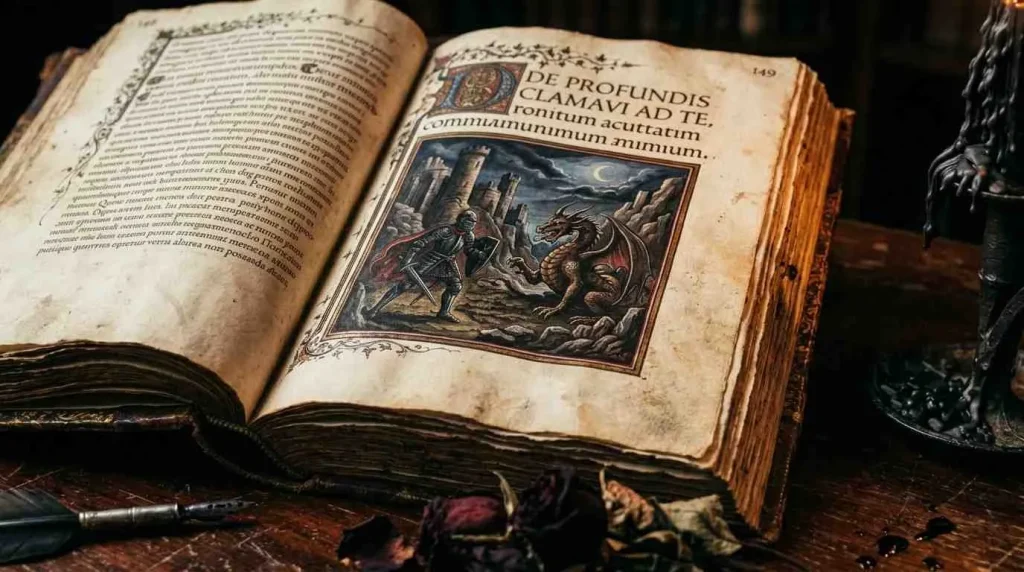
Was Frankenstein Truly the First Horror Book?
While Frankenstein is considered the first modern horror novel, earlier works also contributed to the genre.
Early Horror Influences Before Frankenstein
1. Ancient Myths and Folklore
Stories about:
- Demons
- Monsters
- Ghosts
These existed long before written literature and laid the foundation for horror.
2. Gothic Literature (1700s)
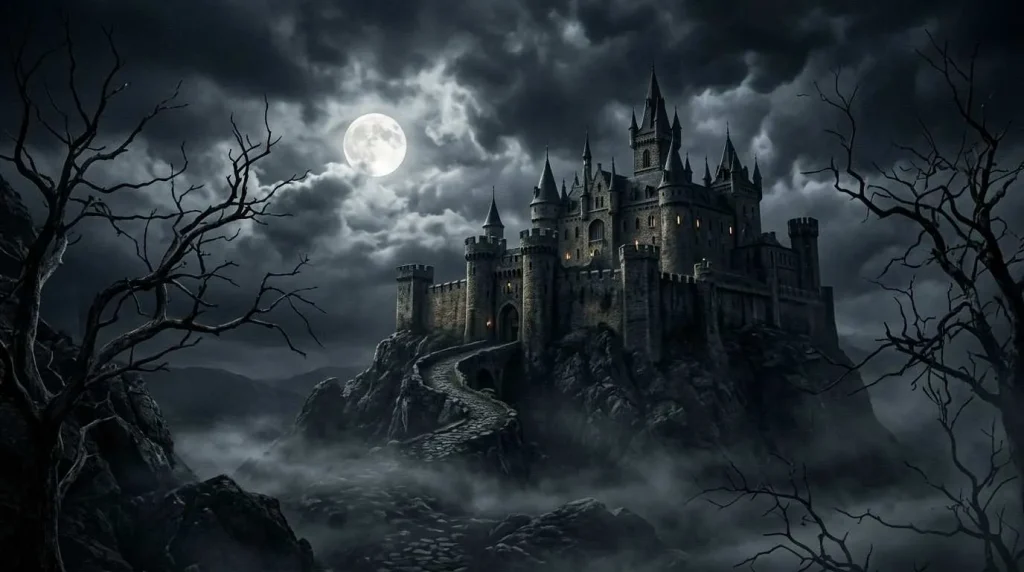
Before Frankenstein, Gothic novels introduced fear through atmosphere.
Examples include:
- Dark castles
- Supernatural elements
- Psychological tension
These themes shaped the horror genre we know today.
3. Horace Walpole’s “The Castle of Otranto” (1764)
This is often called the first Gothic novel, making it one of the earliest forms of horror storytelling.
Why Frankenstein Changed Horror Forever
Mary Shelley’s Frankenstein didn’t just tell a scary story; it introduced new ideas.
Key Innovations:
- Science-based horror
- Human-created monsters
- Moral and philosophical themes
This approach influenced countless authors and continues to shape modern horror writing.
Elements That Define the First Horror Book
To understand why Frankenstein stands out, let’s break down core horror elements.
Essential Horror Features:
- Fear of the unknown
- Supernatural or unnatural elements
- Emotional tension
- Psychological depth
These elements are still used today, whether you’re writing horror or planning your manuscript structure using guides like parts of a book.
How Early Horror Influences Modern Writing
Modern horror owes everything to early works like Frankenstein.
Today’s books often include:
- Psychological horror
- Sci-fi horror
- Paranormal themes
Writers combine these elements with modern storytelling techniques to create compelling narratives.
If you’re considering writing your own horror story, working with professionals mentioned in How Much Does a Ghostwriter Cost? A Detailed Guide can help turn your idea into a polished manuscript.
The Evolution of Horror Literature
After Frankenstein, horror continued to evolve.
Major Developments:
- Gothic horror → Psychological horror
- Supernatural → Scientific horror
- Classic monsters → Complex characters
Each phase added new depth to the genre.
Why Understanding Horror Origins Matters for Writers
Knowing the history of horror helps you:
- Avoid clichés
- Create original stories
- Understand audience expectations
It also improves how you structure your book, especially when combined with formatting insights from the Complete Guide to the Perfect Book Layout.
Common Misconceptions About the First Horror Book
❌ Myth 1: Horror started with modern novels
👉 Truth: It existed in folklore long before books
❌ Myth 2: Frankenstein is purely a monster story
👉 Truth: It’s a philosophical and emotional narrative
❌ Myth 3: Early horror wasn’t complex
👉 Truth: It laid the foundation for modern storytelling
How Publishing Has Changed Horror Books Today
Today, horror books are more accessible than ever.
Authors can:
- Self-publish
- Work with publishers
- Reach global audiences
If you’re planning to publish, factors like editing and refinement, covered in The Top 9 Book Editing & Proofreading Services in 2026, play a major role in your book’s success.
From Classic Horror to Modern Success
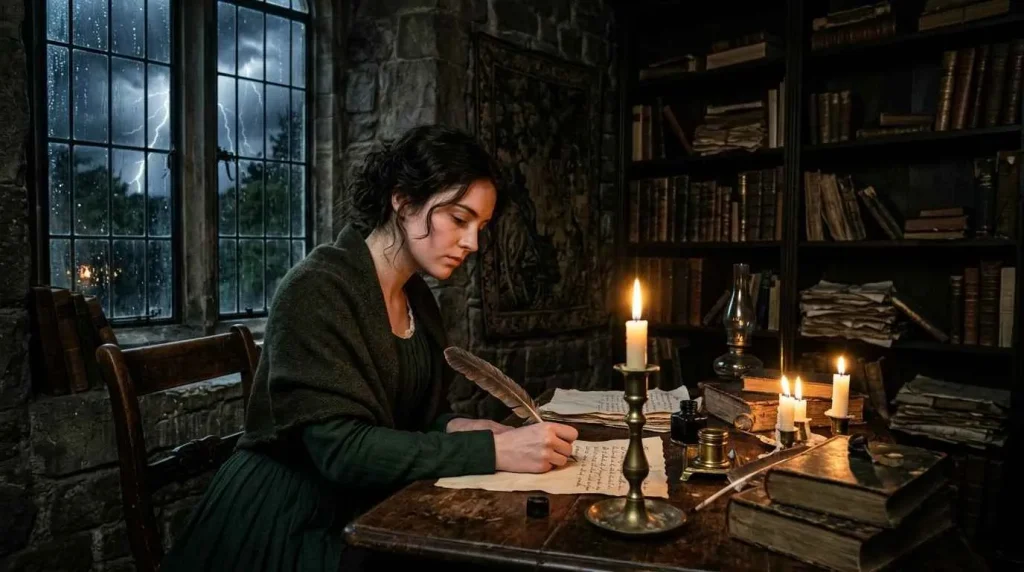
Modern horror authors build on classic foundations while adapting to current trends.
Success depends on:
- Strong storytelling
- Professional editing
- Market understanding
It also connects to practical questions like What’s the Average Income for Authors from Book Sales?, especially if you aim to turn writing into a career.
FAQs:
1. What is the first horror book ever written?
“Frankenstein” by Mary Shelley (1818) is widely considered the first modern horror novel.
2. Were there horror stories before Frankenstein?
Yes, horror elements existed in myths, folklore, and Gothic literature.
3. Why is Frankenstein considered the first horror novel?
It combined science, emotion, and fear in a structured narrative.
4. What defines a horror book?
It includes fear, suspense, and often supernatural or psychological elements.
5. Is gothic fiction the same as horror?
Gothic fiction is an early form of horror with dark settings and emotional themes.
Conclusion: So, What Was the First Horror Book Ever Written?
The answer is “Frankenstein” by Mary Shelley—the first modern horror novel.
While earlier works influenced the genre, Frankenstein defined what horror literature would become.
It introduced themes, structure, and depth that still shape storytelling today.
Understanding the roots of horror is your first step toward creating something unforgettable.
Learn from the past, refine your craft, and bring your ideas to life with the right strategy and support.
Because the next great horror story could be yours.