How Long Should Your First Book Be?
One of the biggest questions new writers ask is:
👉 How many pages in a novel should I aim for?
It’s a valid concern. Write too little, and your book may feel incomplete. Write too much, and it may become overwhelming for readers—and publishers.
Understanding the average number of pages in a book can help you set realistic expectations and stay on track.
If you’re planning to publish, your page count also affects formatting, cost, and overall production—something you’ll better understand through what is the process of publishing a book.
What Is the Ideal Page Count for a First-Time Writer?
Let’s start with a simple answer.
Recommended Page Count:
👉 150 to 300 pages
This range is considered ideal for beginners because:
- It’s manageable to write
- It keeps readers engaged
- It meets industry expectations
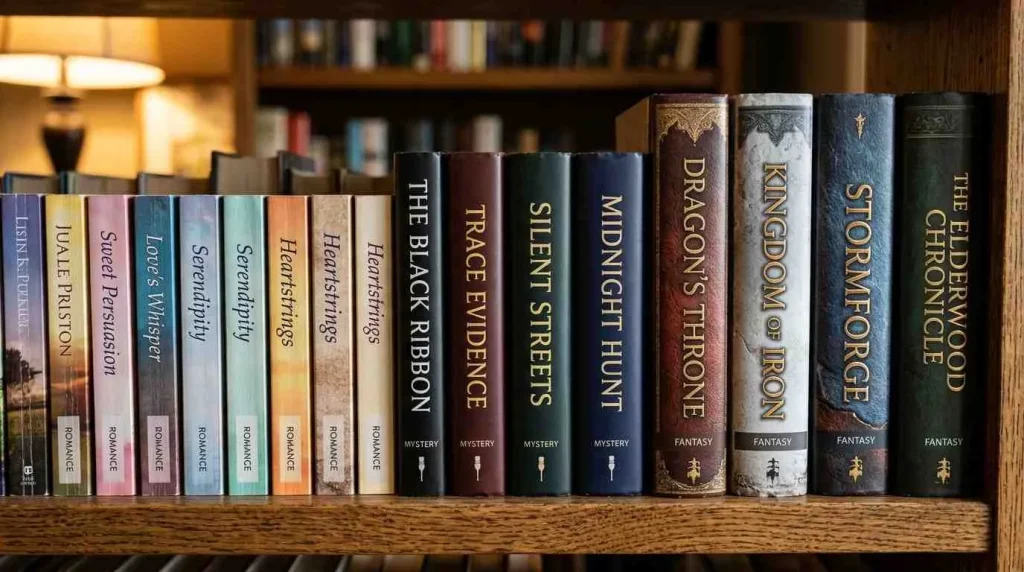
Average Number of Pages in a Book by Genre
Different genres have different standards.
Typical Page Counts:
| Genre | Average Pages |
| Romance | 200 – 300 |
| Mystery/Thriller | 250 – 350 |
| Fantasy | 300 – 500+ |
| Sci-Fi | 250 – 400 |
| Non-fiction | 150 – 300 |
Genres like horror—rooted in classics discussed in What Was the First Horror Book Ever Written? often vary depending on storytelling depth and style.
How Many Pages in a Novel Is Too Much?
For first-time writers, going beyond 400 pages can be risky.
Why?
- Higher printing costs
- More editing work
- Harder to maintain reader attention
Publishing longer books also increases costs for services like editing, as explained in how much does book editing cost.
What Determines Your Book’s Page Count?
Your book length isn’t random—it depends on several factors.
1. Genre Expectations
Readers expect certain lengths based on genre.
For example:
- Fantasy readers expect longer books
- Romance readers prefer shorter, faster reads
2. Writing Style
Some writers are:
- Detailed and descriptive
- Short and concise
Both styles are valid—but they affect page count.
3. Story Complexity
More characters, subplots, and world-building = more pages.
4. Formatting and Layout
Page count isn’t just about words—it’s also about presentation.
Factors include:
- Font size
- Spacing
- Margins
Professional formatting, like that explained in the complete guide to the perfect book layout, can significantly change your final page count.
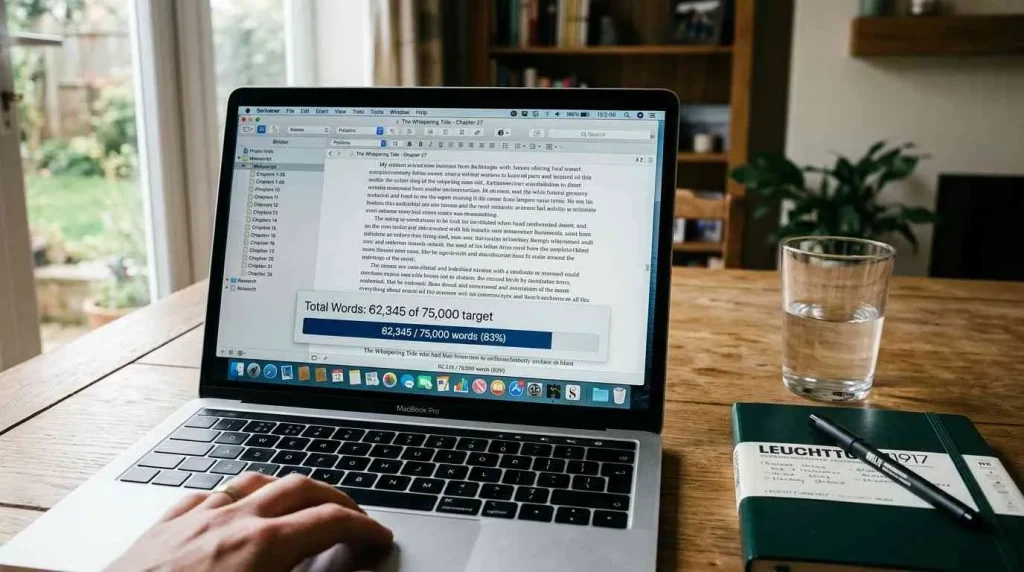
Word Count vs Page Count (What Matters More?)
Publishers often focus on word count, not pages.
Conversion Estimate:
- 250–300 words ≈ 1 page
Example:
- 50,000 words ≈ 200 pages
- 75,000 words ≈ 300 pages
Ideal Word Count for First-Time Writers
Here’s a safe range:
👉 50,000 to 80,000 words
This aligns well with industry standards and keeps your project manageable.
Why Page Count Matters for Publishing
Your book length impacts:
- Printing costs
- Editing requirements
- Reader expectations
For example, longer books cost more to edit, especially when using professional services like those discussed in The Top 9 Book Editing & Proofreading Services in 2026.
How Page Count Affects Book Design
Your book’s size influences its design.
Longer books require:
- Strong cover design
- Balanced layout
- Clear structure
Visual presentation becomes even more important when working with professionals or understanding the cost to hire an illustrator
How Page Count Impacts Your Earnings
Believe it or not, your book length can influence income.
Shorter books:
- Easier to produce
- Faster to publish
Longer books:
- Higher perceived value
- Higher production costs
Understanding these trade-offs can help you align with realistic expectations discussed in What’s the Average Income for Authors from Book Sales?
Common Mistakes First-Time Writers Make
Avoid these mistakes:
❌ Writing too much without structure
❌ Forcing length just to meet expectations
❌ Ignoring editing needs
❌ Not planning the book structure
Understanding the framework of a book using parts of a book can help you stay organized.
Tips to Find Your Ideal Book Length
Practical Tips:
- Start with a clear outline
- Focus on story quality, not length
- Edit ruthlessly
- Get professional feedback
Working with experts—like those discussed in How Much Does a Ghostwriter Cost? A Detailed Guide—can also help refine your manuscript efficiently.

Does Page Count Affect Reader Experience?
Yes, significantly.
Readers prefer books that are:
- Well-paced
- Easy to follow
- Engaging
A book that is too long or too short can impact reviews and overall success.
FAQs:
1. How many pages should a first novel be?
Typically between 150 and 300 pages.
2. What is the average number of pages in a book?
Most books range from 200 to 400 pages, depending on genre.
3. Is a longer book better for beginners?
No, shorter books are easier to manage and publish.
4. Does page count affect publishing costs?
Yes, longer books cost more to edit, print, and design.
5. What matters more: page count or word count?
Word count is more important in publishing standards.
Conclusion: What’s the Perfect Length for Your First Book?
So, what’s the ideal page count?
👉 150 to 300 pages is the sweet spot for first-time writers.
This range balances readability, production cost, and market expectations.
The key takeaway:
Focus on delivering value—not just hitting a number.
Don’t overthink the page count—start writing with clarity and purpose.
Focus on quality, structure, and consistency, and your book will naturally find the right length.
Because the best books aren’t defined by pages—they’re defined by impact.